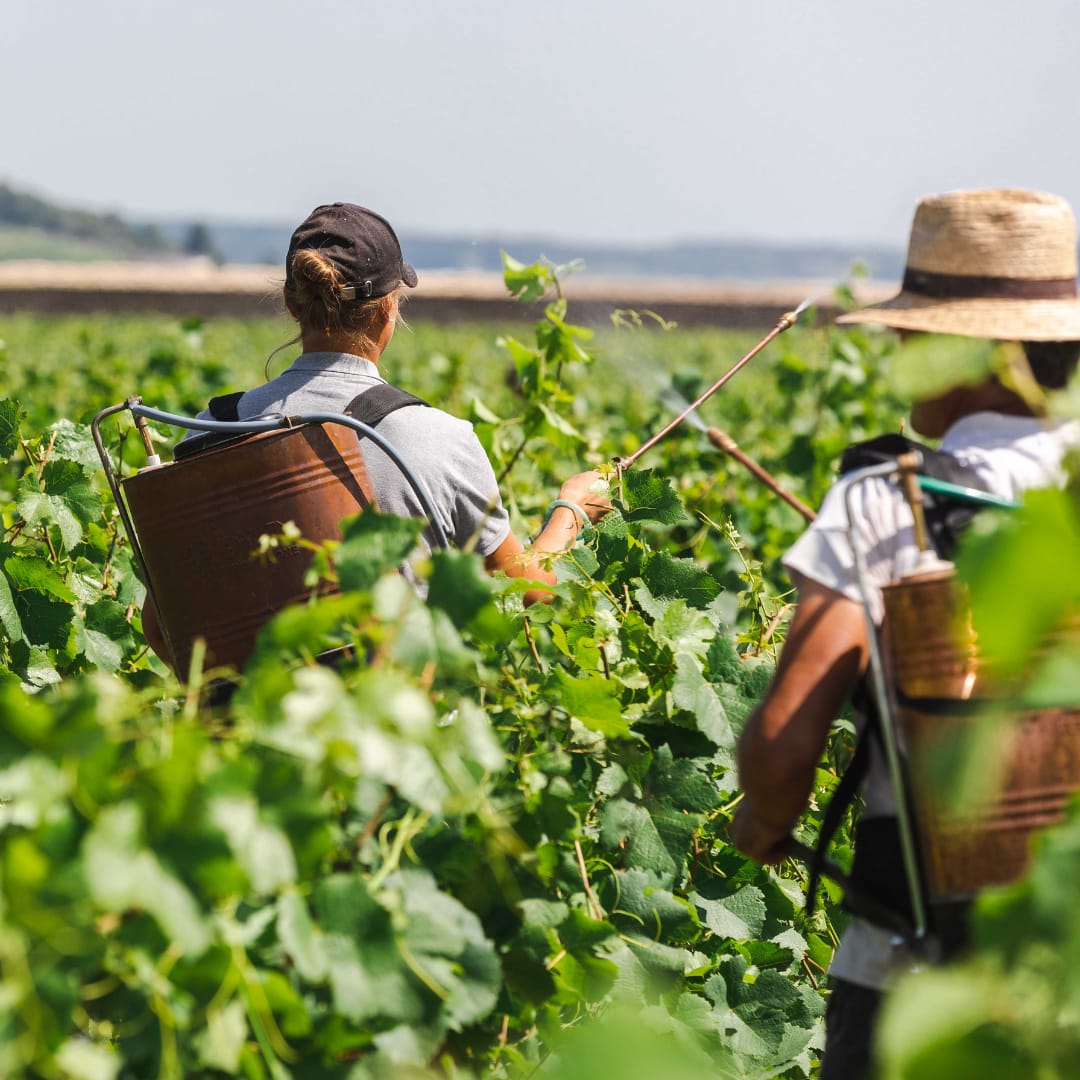
Organic Winemaking: A Journey from Vine to Bottle
Organic wines are more than a trend or a fleeting fad; it is a return to the roots of viticulture and an embrace of the harmonious relationship between nature and agriculture. It is not the same a biodynamic wine or indeed biodynamic winemaking which you can find out more about here. Both approaches create sustainable wines.
The organic approach to winemaking emphasizes environmental stewardship, biodiversity, and a commitment to producing wines that are a true expression of their terroir.
However, the production of organic wine is not without its challenges, from the rigorous certification process to the financial implications of conversion.
Whether making a sauvignon blanc in the Loire or a full-fat cabernet in Napa Valley, winemakers are beginning to choose organic farming.
This exploration of organic wines will delve into what it entails, the rules governing its practice, how these regulations vary globally, and its implications for the environment and the winemaking industry.
The rules governing organic winemaking vary significantly across different regions, reflecting the diverse climatic, geographical, and cultural contexts in which wine is produced.
USDA Organic (United States):
Administered by the United States Department of Agriculture (USDA), this certification is one of the most recognized in the U.S. To be a USDA certified wine, grapes must be grown without synthetic fertilizers, pesticides, or herbicides, and that no sulfites are added during winemaking. Wines that meet these standards can be labeled as “organic wine”, while wines made with organically grown grapes but that do use some sulfites can be labeled as “made with organically grown grapes”.
EU Organic (European Union):
The EU Organic certification also requires that grapes are grown without synthetic inputs. Unlike the USDA standard, however, it does allow for the limited use of sulfites in winemaking.
AB Organic, or Agriculture Biologique (France):
French certification for organic farming. It was established in 1985 and is overseen by the French Ministry of Agriculture. The AB Organic label is well recognized in France and across Europe, and it corresponds with the EU Organic certification.
To obtain the AB Organic certification, a winery must adhere to strict standards that include the prohibition of synthetic chemical fertilizers, pesticides, and herbicides in the vineyard. Genetically modified organisms (GMOs) are also not allowed. In the winemaking process, the use of certain additives and processes is restricted, and the amount of sulfites allowed in the wine is lower than in conventionally made wines.
Demeter Biodynamic (International):
This certification goes beyond organic standards, requiring adherence to biodynamic farming principles which consider the vineyard as an interconnected ecosystem. This includes specific practices related to soil health, pest and disease management, and even considerations of lunar and cosmic rhythms.
Ecocert (International):
Originally established in France, Ecocert is now an international organic certification that is recognized in over 130 countries. It has strict standards for organic viticulture and winemaking that are similar to those of the EU Organic certification.
NASAA Certified Organic (Australia):
This certification, administered by the National Association for Sustainable Agriculture, Australia, follows rigorous organic standards. It covers all aspects of wine production, from grape growing to bottling.
BioGro (New Zealand):
BioGro is New Zealand’s largest and best-known certifier for organic produce and products. BioGro certification requires a strict audit of all winemaking practices, from the vineyard to the winery.
These certifications provide a clear standard for organic winemaking practices and help consumers make informed choices instead of habitually plumping for conventional wine. However, it’s important to note that many wineries may follow organic practices but choose not to pursue certification due to the cost and complexity of the process. As a result, talking directly to winemakers or doing some additional research can sometimes uncover “uncertified organic” wines that are still produced with great respect for the environment.
Sulfites, or sulphites as they are spelled in some countries, are compounds that contain the sulfite ion (SO3^2-). In the world of wine, sulfites are commonly used as preservatives to prevent oxidation and microbial growth.
They are naturally present in all wines, as they are a byproduct of the fermentation process, but additional sulfites are often added, particularly in conventional wines, to ensure stability and longevity.
Some individuals are sensitive to sulfites and may experience symptoms such as headaches or respiratory problems after consuming foods or drinks that contain them.
On the other hand, sulfates (or sulphates) are salts that contain the sulfate ion (SO4^2-). While sulfates are used in a variety of industries and applications, they are not typically associated with winemaking.
Instead, they are commonly found in personal care products, like shampoos and soaps, as well as in certain types of medication.
In the context of organic winemaking, sulfites are the more relevant of the two.
Transitioning to organic winemaking can present significant challenges.
The conversion period, during which vineyards must be managed organically but the wine cannot yet be labeled as organic, can last up to three years and involves increased labor costs and potential yield losses.
Furthermore, organic vineyards may be more susceptible to pest outbreaks and disease, particularly in regions prone to high humidity and rainfall.
Managing these issues without synthetic inputs requires a deep understanding of viticulture and a commitment to proactive vineyard management.
Organic winemaking contributes to environmental sustainability by minimizing chemical inputs, promoting biodiversity, and enhancing soil health.
By avoiding synthetic fertilizers and pesticides, organic viticulture reduces the risk of water contamination from runoff, helping to protect local waterways and groundwater.
Furthermore, organic practices contribute to soil conservation, preventing erosion and degradation by promoting healthy soil structure and organic matter content.
Organic vineyards can also support biodiversity, providing a habitat for beneficial insects and other wildlife, and promoting a balanced ecosystem that can naturally keep pest populations in check.
Transitioning to organic winemaking can be a costly endeavor, with increased labor costs, potential yield reductions during the conversion period, and the costs associated with certification.
But these costs can be offset by various long term benefits. Organic wines can command higher prices in the market, reflecting the value that consumers place on organic production and the perceived quality of organic wines.
Additionally, in some regions, organic farmers may be eligible for subsidies or grants to support their conversion to organic practices.
According to IWSR data, nearly half of American adult drinkers of beverage alcohol (48%) said they were ‘positively influenced’ to buy brands that had environmental or sustainability credentials.
Moreover, organic vineyards can also benefit from improved soil health, which can enhance vineyard resilience and longevity, potentially leading to more consistent yields and higher quality grapes over time.
In conventional winemaking, a variety of chemical inputs are employed to manage pests, diseases, and vineyard productivity, ranging from synthetic fertilizers to pesticides and fungicides.
These chemical treatments can contain compounds that, while effective for their intended use, can pose risks to human health and the environment.
Pesticides are used in conventional vineyards to control a variety of pests that can damage grapevines, including insects, mites, and rodents.
Many pesticides contain compounds like organophosphates and carbamates, which are neurotoxins.
While these substances can effectively control pests, they can also have harmful effects on non-target species, including beneficial insects and birds.
High levels of exposure to these compounds can be harmful to humans, causing symptoms ranging from nausea and dizziness to more serious health issues like respiratory problems and neurological damage.
Fungicides are another common input in conventional vineyards, used to control fungal diseases that can devastate grape crops. Many fungicides contain compounds which can accumulate in the soil over time, potentially harming soil health and biodiversity.
Some fungicides also contain more toxic substances like captan or mancozeb, which are potential carcinogens and can be harmful to humans if exposure levels are high.
Herbicides are also frequently used in conventional viticulture to control weeds. Glyphosate, for example, a common ingredient in many herbicides, has been classified by the World Health Organization’s International Agency for Research on Cancer as “probably carcinogenic to humans.”
Additionally, herbicides can have detrimental effects on the environment, including water contamination and harm to non-target plant species.
While these chemicals can be effective tools in vineyard management, their potential impact on human health and the environment raises significant concerns.
As a result, there has been a growing interest in alternative, more sustainable approaches to viticulture, including organic and biodynamic methods that avoid the use of these synthetic inputs.
By focusing on soil health, biodiversity, and proactive disease and pest management, these practices aim to produce high-quality wines while minimizing harm to the environment and human health.
In the face of climate change and growing concerns about environmental sustainability, organic winemaking represents not just a return to traditional methods, but a way forward. As more wineries embark on the journey towards organic certification, they are not only contributing to a healthier planet but also shaping the future of the wine industry. With every organic vineyard and bottle of organic wine, they are showing that it’s possible to combine environmental responsibility with the production of high-quality wines that consumers can enjoy with a clear conscience.
Want to try some of the best organic wines in Burgundy? Visit us here.