Roll out the Barrels: Understanding Cooperage in Winemaking
In the nuanced world of winemaking, each step contributes to the overall character and quality of the finished product. One pivotal stage in this process is maturation, where the wine rests and evolves over time. Crucially, winemakers utilize different barrels, which impart distinct flavors and textures into the wine. Understanding these variations and their impact on different varietals, like Pinot Noir and Chardonnay from Burgundy, can elevate our appreciation.
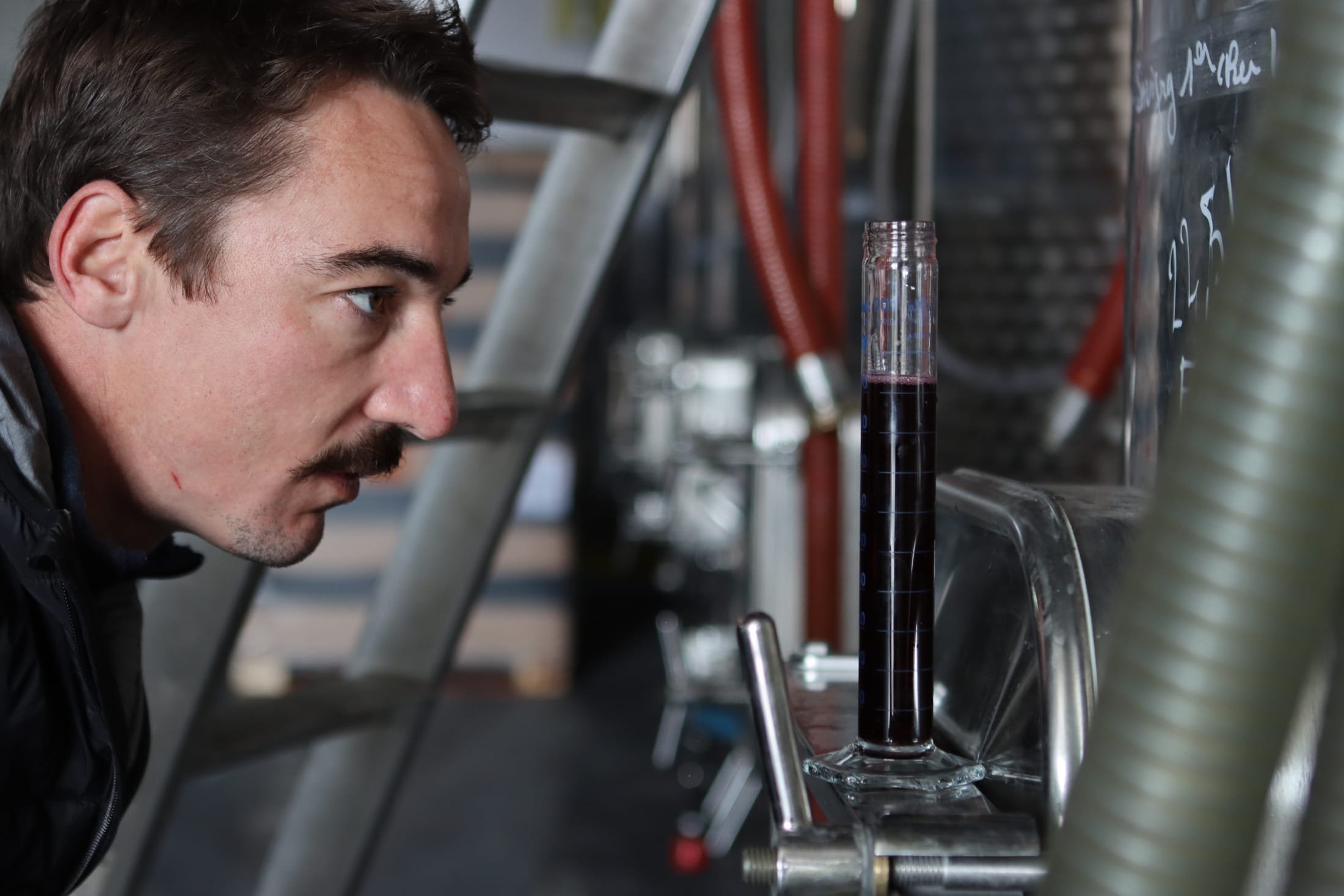
Our favourite winemaker, Paul Negrerie says that, alongside factors such as the harvest date and extraction methods during vinification, “Barrel aging and the selection of each barrel play a crucial role in the winemaking process.”
“Over a period of 12 months, the wine undergoes an intricate interplay between the barrel’s components, the wine itself, and the crucial influence of micro-oxygenation. This dynamic interaction ultimately shapes the desired characteristics of the wine”.
Check out Paul’s winemaking skills with our 2021 vintage cuvées.
Burgundy is famed for its Pinot Noir and Chardonnay. The region’s unique climate and soil types yield complex and elegant expressions of these grape varieties. For Pinot Noir, a red grape, the aim is often to highlight its delicate, fruity characteristics without overwhelming them. This calls for careful use of oak during maturation. Burgundian winemakers typically use French oak barrels, which are known for their subtlety and capacity to gradually impart aroma and flavor compounds.
Chardonnay, on the other hand, is a versatile white grape variety that can handle a broader range of oak influence. With Chardonnay, winemakers can utilize the transformative power of the barrel to a greater extent. French oak barrels can imbue the Chardonnay with toasty, creamy, and nutty notes, often yielding a full-bodied and complex wine. One of the main reasons winemakers love Chardonnay is because, as a non-aromatic varietal, it’s basically a blank canvas for the artisan to work upon, so they can really leave their mark.
The process of toasting the interior of the barrel is an art in itself, affecting the flavors imparted to the wine and affecting the chemical make up of the wood’s native sugars. The level of toast refers to the duration and intensity of heat applied to the barrel’s interior during cooperage. This can range from light to medium, medium-plus, and heavy toast.
Light toast can add subtle flavors like fresh and dried fruits, while medium toast often brings forward spice notes and enhances the wine’s structure. Medium-plus toast imparts more pronounced toasty, caramel, and chocolate flavors. Heavy toast, with its intense char, can provide robust smoky, coffee, and even burnt sugar notes.
For delicate Burgundy Pinot Noir, light to medium toast is often preferred, while Chardonnays can embrace a medium or medium-plus level of toast, particularly if the winemaker aims for a more opulent style.
“Throughout the aging process,” says Paul, “particularly in June and July, I engage in barrel tasting sessions with our cooperage partner.”
“These sessions help us determine the ideal type of toast and grain for each cuvée, ensuring that we showcase the unique qualities of the terroir to the fullest extent possible.
“With each passing year, I continue to expand my knowledge and understanding of which toast or grain is best suited for each cuvée, striving to find the perfect match. It’s important to note that every vintage is unique, and as a result, I must make slight adjustments to accommodate their distinct characteristics.”
The type of wood used in barrel production can also significantly affect the wine’s flavor. The most commonly used woods are French, American, and Hungarian oak.
French oak, favored in Burgundy, imparts subtle, sophisticated flavors and tannins and increases the wine’s overall complexity. American oak provides more assertive flavors, including vanilla, coconut, and sweet spices, with more pronounced tannins. Hungarian oak falls somewhere in between, delivering medium-intensity flavors and tannins, but crucially is cheaper than French oak.
But it’s not simply a choice of which country the oak comes from, there are many differences within each category particularly grain type. Winemakers at the higher end of the market will research their oak choices meticulously.
Barrel size plays a role in the maturation process, influencing the wine’s exposure to oxygen and the rate at which it takes on oak-derived flavors. Small barrels provide a higher wood-to-wine ratio, leading to faster oxygen exposure and flavor infusion, ideal for robust, full-bodied wines. Conversely, larger barrels, which expose the wine to oxygen more gradually.
A barrique is a specific type of wine barrel that has become almost synonymous with fine wine production worldwide. Originally hailing from Bordeaux, France, a standard barrique holds approximately 225 liters (59 gallons). This size was determined not only for the effects it had on the wine’s aging but also for practical considerations – a filled barrique is heavy, but can still be moved by one person.
However, the size of a barrique can slightly differ depending on the wine-producing region. For example, in Burgundy, a “barrique” or “pièce” holds 228 liters, slightly more than its Bordeaux counterpart. The slight variation in size reflects the historical and practical preferences of the region, such as the size of the cellar rooms and the handling techniques. Importantly, these differences also impact the wine’s maturation process as the ratio of wine-to-wood surface area changes, influencing the rate at which flavor compounds are imparted into the wine.
Other regions also favor specific barrel sizes based on their winemaking traditions and grape varietals. For instance, the Barolo region in Italy often uses “botti” barrels, much larger than barriques, typically holding 500 to 3000 liters of wine. This size difference significantly changes the wine-to-wood ratio, resulting in a slower, more gradual extraction of the oak compounds. This is particularly suited to the Nebbiolo grape used in Barolo wines, which benefits from longer aging periods to soften its rather formidable tannins.
Winemakers often blend wines aged in both new and old oak barrels. New barrels impart stronger flavors and tannins, while older barrels, having lost much of their flavor compounds, allow the wine to mature more gently. For instance, a Burgundy winemaker might use a higher proportion of new oak for Chardonnay to provide richer flavors, while relying more heavily on older barrels for Pinot Noir to preserve its delicate fruitiness. This careful balance allows winemakers to harness the power of oak without overpowering the unique characteristics of the grape.
The aging of wine is a complex process that involves numerous chemical reactions. Over time, these reactions can significantly influence a wine’s flavor, aroma, color, and texture. When wine ages, both oxidation and reduction processes occur simultaneously, transforming the original constituents of the wine.
Oxidation can soften tannins, stabilize color, and alter flavors, often adding depth and complexity. However, excessive oxidation can lead to a loss of fruitiness and freshness, turning the wine stale. On the other hand, reduction reactions occur in the absence of oxygen and can lead to the development of unique and desirable flavors, though excessive reduction can result in unwanted ‘off’ flavors.
Another key aspect of the aging process involves the interaction between ethanol and acids in the wine, forming esters and aldehydes that contribute to a wine’s bouquet. As the wine matures, the polymerization of tannins can also occur, altering the wine’s mouthfeel and reducing astringency. The careful management of these chemical reactions is crucial in creating a balanced, aged wine.
Wine fining and filtration are processes used to remove suspended solids and other unwanted substances from the wine before bottling. Fining involves introducing a substance to the wine that binds with the undesirable particles, forming larger complexes that can be easily separated. Common fining agents include egg whites, casein, gelatin, and bentonite. These agents interact with compounds such as proteins, phenolics, and tannins that can cause cloudiness or other undesirable qualities in the finished wine.
Filtration, on the other hand, physically removes these complexes from the wine by passing it through a filter. The filter’s pore size determines what gets removed, with finer filters removing smaller particles. While these processes can enhance the clarity and stability of the wine, they must be used judiciously, as over-filtration can strip the wine of flavors and aromas, diminishing its complexity. Indeed, there is an increasing trend towards non-filtered wines, particularly as part of the natural wine movement. Minimal intervention is a the buzz term, and many winemakers pride themselves on the authenticity of their expressions of the chosen grape or blend. That said, there are certain market driven expectations that influence winemakers at this stage in the production, and clarity of liquid may be one of the last things to be sacrificed.
The environment in which a wine is stored during aging has a profound impact on its quality. A cool, damp place is considered ideal for several reasons. Cooler temperatures slow the rate of chemical reactions, allowing the wine to age slowly and develop complexity over time. A consistent temperature is also key, as fluctuations can cause the wine to expand and contract, potentially damaging the cork and allowing oxygen to enter the bottle.
Humidity plays an important role in wine storage as well. Higher humidity helps to keep the cork from drying out, maintaining its elasticity and preventing oxygen from seeping into the bottle. If the cork dries out, it may allow air into the wine, leading to premature oxidation.
The fundamental equation of winemaking is Yeast + Sugar = Alcohol + CO2. This represents the process of fermentation, where yeast consumes sugar in the grape juice, producing ethanol (alcohol) and carbon dioxide (CO2) as byproducts. The type and strain of yeast, as well as the fermentation temperature, can significantly influence the characteristics of the resulting wine.
Besides alcohol and CO2, fermentation also produces heat and various other compounds, such as esters, acids, and other flavor and aroma compounds that contribute to the wine’s complexity. Understanding and managing this process is crucial for winemakers, as the fermentation conditions and choices can shape the wine’s final profile. Once fermentation is complete, the carbon dioxide is allowed to escape, while the alcohol remains, giving wine its intoxicating properties.
Cooperage is a vital, often overlooked element of winemaking that significantly shapes the wine’s character during maturation. From the type of wood and toast level to the size of the barrel and the blending of new and old oak, each decision reflects the winemaker’s intent and understanding of the grape’s potential. For Burgundy’s Pinot Noir and Chardonnay, this process is carried out with remarkable precision and attention to detail, resulting in some of the world’s most respected and cherished wines. Ultimately, appreciating the role of cooperage can deepen our understanding and enjoyment of this intricate practice.
Paul can vouch for it!