The Magic of Burgundy
The Magic of Burgundy: Château de Pommard, Biodynamics, and everything else you need to know about the region.
A Toast to Chateau de Pommard and Its Biodynamic Revolution Wine enthusiasts, hold onto your glasses! We’re venturing into the heart of Burgundy, where our amazing home, Chateau de Pommard, has made waves by going biodynamic. This picturesque domaine has embraced the benefits of biodynamic farming, resulting in wines that are not only delicious but also a true expression of the terroir. So, let’s pop the cork and dive into the world of Burgundy wine and the innovative Chateau de Pommard.
Ah, Burgundy – the very name evokes images of rolling hills, ancient vineyards, and, of course, some of the most coveted wines in the world. Located in the eastern part of France, Burgundy is home to both red and white wines, with Pinot Noir and Chardonnay reigning supreme.
The region produces a variety of wines, from delicate, aromatic white wine to full-bodied red with complex flavors. But let’s not forget about the sparkling wines, which are perfect for adding some fizz to any occasion. In Burgundy, you’ll find everything from crisp Chardonnays to earthy, powerful Pinot Noirs.
Chateau de Pommard, a domaine with roots dating back to the early 18th century, is nestled in the heart of the Côte de Beaune, one of the most prestigious wine-growing areas in Burgundy. This iconic estate has been producing exceptional wines for centuries, but what sets it apart today is its commitment to biodynamic farming.
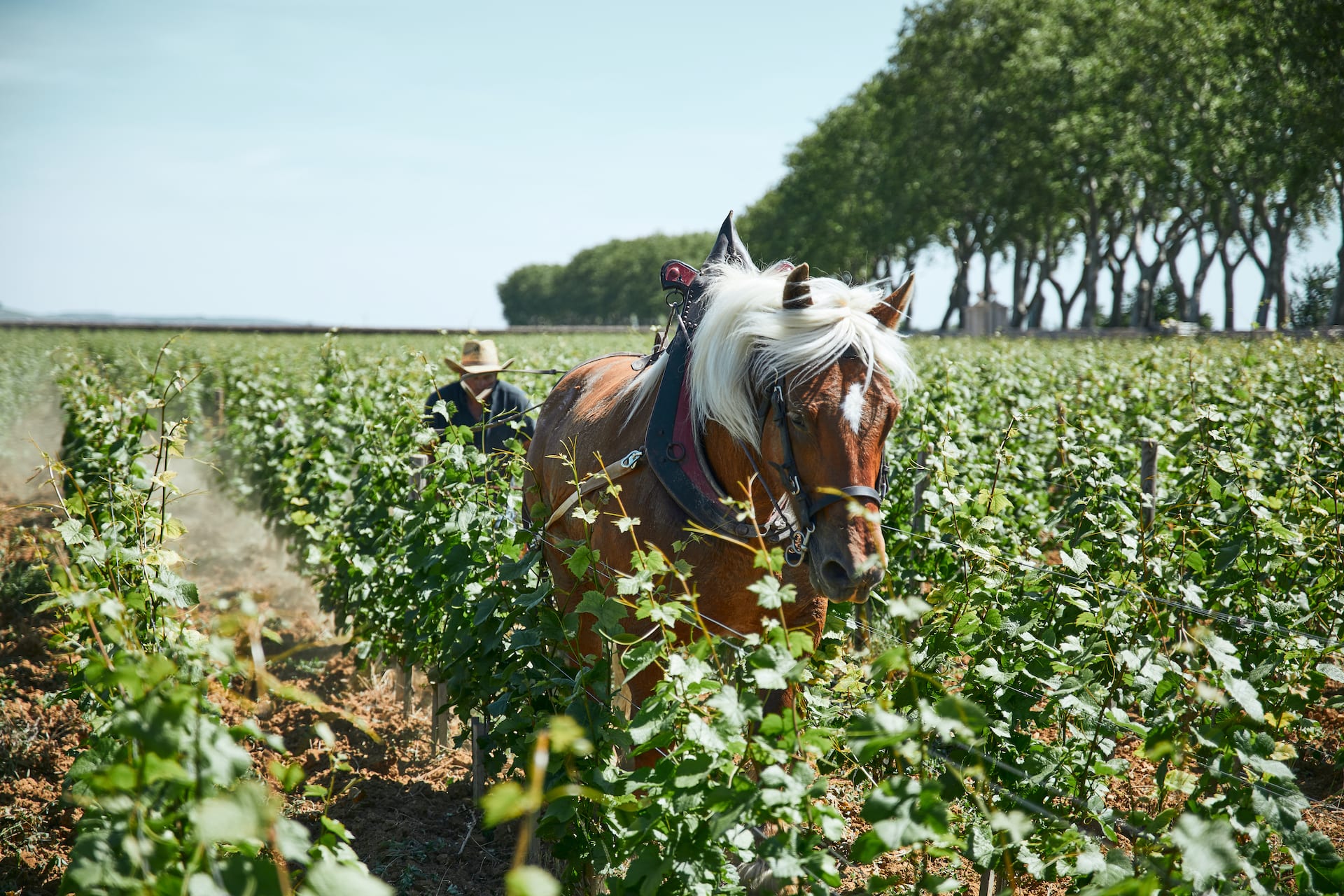
For those unfamiliar with the term, biodynamic farming is a holistic approach to agriculture that involves working in harmony with nature. By using natural methods and avoiding synthetic chemicals, biodynamic farmers ensure the health of their soil and the quality of their grapes. It’s like organic farming on steroids – but with a touch of mysticism thrown in for good measure.
By focusing on the health of the soil and the natural balance of the ecosystem, biodynamic farming allows the true essence of the terroir to shine through in the wine. It’s like having a sip of Burgundy’s soul in every glass, with flavors and aromas that are unique to the region.
The biodynamic calendar plays a vital role in biodynamic viticulture, as it helps guide winemakers in their vineyard and cellar work according to the natural rhythms of the Earth, Moon, and planets. Developed by Maria Thun and later refined by her son Matthias Thun, the biodynamic calendar divides days into four main categories based on the lunar cycle and the associated zodiac constellations: fruit days, flower days, leaf days, and root days.
On fruit days, the Moon is in a fire sign (Aries, Leo, or Sagittarius), and it is believed that these days are best for harvesting grapes or working with fruit in the cellar. Flower days, associated with air signs (Gemini, Libra, or Aquarius), are considered ideal for bottling and tasting wines. Leaf days, linked to water signs (Cancer, Scorpio, or Pisces), are recommended for watering or pruning the vines. Lastly, root days, connected to earth signs (Taurus, Virgo, or Capricorn), are considered suitable for tasks related to the vineyard’s soil, such as composting or tilling.
In biodynamic viticulture, special preparations are applied to the soil, plants, and compost to enhance the health and vitality of the vineyard ecosystem. These preparations, numbered 500 through 508, are made from various natural substances, such as manure, herbs, and minerals, and are typically applied in homeopathic quantities.
Preparations 500 and 501, also known as horn manure and horn silica, respectively, are among the most well-known. Horn manure, made from cow manure packed into a cow horn and buried over winter, is used to stimulate root growth and microbial activity in the soil. Horn silica, prepared from ground quartz crystals packed into a cow horn and buried over summer, is sprayed onto the vines to support photosynthesis and strengthen the plant’s resistance to disease.
Other preparations, numbered 502 to 507, are known as compost preparations and are made from various herbs such as yarrow, chamomile, stinging nettle, oak bark, dandelion, and valerian. These preparations are added to compost piles to enhance the decomposition process and increase the nutrient availability for the vines.
By following the biodynamic calendar and using these carefully crafted preparations, biodynamic winemakers aim to create a self-sustaining, healthy vineyard ecosystem that produces high-quality, expressive wines in harmony with nature.
While Pinot Noir may be the star of Burgundy’s red wines, Chardonnay is the queen of its whites. This versatile grape can produce wines that are crisp and refreshing or rich and buttery, depending on factors such as soil type and winemaking techniques. In Burgundy, you’ll find some of the finest expressions of Chardonnay in the world. Our FCB range is full of wonderful examples of Burgundy Chardonnay.
When it comes to red wines in Burgundy, Pinot Noir is king. This delicate and finicky grape variety is perfectly suited to the region’s cool climate and limestone-rich soils. The result is a red wine that can range from light and fruity to bold and complex, depending on the specific terroir and the skill of the winemaker.
Buy our world class pinot noir here
The soils of Burgundy play a crucial role in shaping the unique character of the region’s wines. The key factors that make Burgundy’s soils so distinctive are their geology, composition, and diversity. Here’s a closer look at these factors:
Geology
Burgundy’s geological history dates back to the Jurassic period, around 200 million years ago, when the region was covered by a shallow, warm sea. The sediments that accumulated on the sea floor over millions of years formed limestone and marl layers, which were later exposed through tectonic uplift and erosion. This unique geological history has contributed to the complex soil structure found in Burgundy today.
Composition
The soils of Burgundy are predominantly composed of limestone and clay, with varying proportions of each creating different soil types throughout the region. Limestone-rich soils are known for their excellent drainage and ability to retain heat, which is beneficial for ripening grapes. Clay, on the other hand, has higher water retention capabilities, providing vines with a consistent water supply during dry periods. The varying ratios of limestone and clay across Burgundy’s subregions and individual vineyards create subtle differences in the wines’ flavor profiles and aging potential.
Diversity
One of the most remarkable aspects of Burgundy’s soils is their incredible diversity, even within small areas. Soil types can change dramatically within just a few meters, leading to significant differences in wine characteristics between neighboring vineyards. This patchwork of diverse soils allows winemakers to craft wines with distinct expressions of terroir, showcasing the unique qualities of each vineyard site.
Terroir
The concept of terroir, which encompasses the soil, climate, and local environment, is deeply ingrained in Burgundy’s winemaking tradition. Burgundians believe that the vineyard’s specific terroir is the key driver of a wine’s quality and individual character. The region’s unique soils, combined with its cool climate and varied topography, contribute to the distinctive character and complexity of Burgundy’s wines.
These factors come together to create the unique soils of Burgundy, which play an essential role in shaping the region’s world-renowned wines. The intricate relationship between the soil, climate, and grape varieties in Burgundy results in wines with a strong sense of place and a captivating array of flavors and aromas.
While Burgundy may be best known for its still wines, the region also produces some delightful sparkling wines called Crémant de Bourgogne. Made primarily from Chardonnay and Pinot Noir, these bubbly treasures offer a more affordable alternative to Champagne, with their own unique character and charm.
In Burgundy, the quality of the wines is often indicated by a classification system that takes into account the vineyard’s location and terroir. At the top of the hierarchy, you’ll find Grand Cru wines, which come from the best vineyards in the region. Next are Premier Cru wines, followed by Village wines and regional appellations. This system helps wine connoisseurs navigate the complex world of Burgundy wines but beware, a system like this is steeped in tradition and not really able to fully adapt to contemporary times (the same goes for the 1855 Classification in Bordeaux) so cannot profess to be a faultless guide in the ultra-modern era. You need terroir, healthy wine grapes and a winemaker that knows how to work with nature for beautiful wines in any wine region. Burgundy is no exception.
Grand Cru wines represent the Burgundy system’s pinnacle of quality. These wines come from a select group of vineyards that have been recognized for their exceptional terroir and ability to produce outstanding wines. In fact, Grand Cru wines account for only a small fraction of Burgundy’s total production, making them highly sought after and often quite expensive.
While not quite as prestigious as Grand Cru wines, Premier Cru wine still represents a high level of quality in Burgundy. These wines come from vineyards that have been recognized for their superior terroir, and while they may not be as rare or expensive as Grand Cru wines, they can still command a premium price.
Burgundy’s village wines offer a more affordable and approachable way to explore the region’s diverse terroir. These wines are typically named after the village where the grapes are grown and can provide a snapshot of the distinctive character of each area. From the earthy, mineral-driven wines of Chablis to the elegant, red-fruited expressions of the Côte de Beaune, village wines showcase the many faces of Burgundy.
In Burgundy, the concept of terroir – the unique combination of soil, climate, and other factors that influence a wine’s character – is of paramount importance. The region’s complex geology and varied microclimates make for a diverse range of terroirs, resulting in wines that can vary dramatically in flavor and style, even within a small area.
While both Burgundy and California’s Napa Valley are famous for their high-quality wines, the two regions have some key differences. Burgundy focuses on Pinot Noir and Chardonnay grapes, while Napa is known for its bold Cabernet Sauvignon wines. The climates also differ, with Burgundy experiencing a cool climate and Napa having hot summers. These factors contribute to the distinctive styles of wines produced in each region. But this underestimates the nuance of Napa Valley’s topography. Napa possesses several distinct areas within its AVA, some of them warm to hot, but some of them have cooler climates due to geographical factors such as the Petaluma Gap which allows cool air from the Pacific Ocean to travel inland and create the right conditions for growing grapes that were traditionally only perfected in Burgundy.
Both Burgundy and Napa Valley produce Pinot Noir and Chardonnay wines, but the profiles of these wines can differ significantly due to factors such as terroir, climate, and winemaking techniques. It can be extremely good fun to compare the two areas when you’re wine tasting. So, here’s a comparison of the typical profiles of Pinot Noir and Chardonnay wines from Burgundy and Napa Valley:
Burgundian Pinot Noir wines are known for their elegance, finesse, and complexity. They often have a lighter body, higher acidity, and more delicate tannins compared to their Napa Valley counterparts. Aromas and flavors of red fruits (cherry, raspberry, strawberry), floral notes (rose, violet), and earthy undertones (mushroom, truffle, forest floor) are common in Burgundy Pinot Noir. The wines can also exhibit subtle spice notes, such as clove and cinnamon. Burgundy Pinot Noir is typically more restrained and focused on expressing the unique terroir of each vineyard site.
Napa Valley Pinot Noir wines tend to be more fruit-forward, with a fuller body and lower acidity compared to those from Burgundy. The warm climate of Napa Valley results in riper fruit flavors, often including black cherry, plum, and blackberry, alongside the more traditional red fruit notes. These wines may also exhibit more pronounced oak influence, with flavors of vanilla, toast, and spice from barrel aging. Napa Pinot Noir can be more opulent and powerful, with a plush texture and a rich, mouth-filling quality.
Burgundy Chardonnay wines are diverse, ranging from crisp and mineral-driven in Chablis to rich and opulent in the Côte de Beaune. In general, Burgundy Chardonnay tends to have higher acidity and a more restrained use of oak compared to Napa Valley Chardonnay. Flavors and aromas of citrus (lemon, lime), orchard fruits (apple, pear), and sometimes even white peach are common, alongside minerality and subtle oak influence. Burgundy Chardonnays often showcase the region’s terroir, with a focus on elegance and balance.
Napa Valley Chardonnay wines are typically characterized by their full-bodied, rich, and creamy style. The warm Napa climate leads to riper fruit flavors, which can include tropical notes like pineapple, mango, and guava, in addition to the more classic citrus and orchard fruit profiles. Napa Chardonnays often have a more pronounced oak influence, with flavors of vanilla, butter, and toast from barrel fermentation and aging. These wines are usually more opulent and lush, with a round, mouth-coating texture.
In summary, while both Burgundy and Napa Valley produce Pinot Noir and Chardonnay wines, their profiles can differ significantly due to the influence of terroir, climate, and winemaking traditions. Burgundy wines often emphasize elegance, finesse, and terroir expression, while Napa Valley wines lean towards a more fruit-forward, opulent, and powerful style
While Pinot Noir and Chardonnay dominate Burgundy, the region is also home to several other grape varieties. Pinot Gris and Pinot Meunier are two red grape varieties that can occasionally be found in Burgundy, while Aligoté is a white grape variety that produces refreshing, high-acidity wines. Each of these lesser-known grapes adds its own unique character to the diverse tapestry of Burgundy’s wine offerings.
The Burgundy wine region is divided into several subregions, each with its own distinct character. The most famous of these is the Côte d’Or, which is further divided into the Côte de Nuits and the Côte de Beaune. The Côte de Nuits is renowned for its powerful, structured red wines made from Pinot Noir, while the Côte de Beaune produces elegant, refined reds and world-class white wines from Chardonnay. Beyond the Côte d’Or, you’ll find other notable wine-growing areas such as Chablis, the Mâconnais, and the Loire Valley, each with its unique terroir and wine styles.
Come and visit us in Pommard to find out how our wines taste, and how we make them biodynamically. We’re here to be discovered!