Wine Tasting: An Introduction
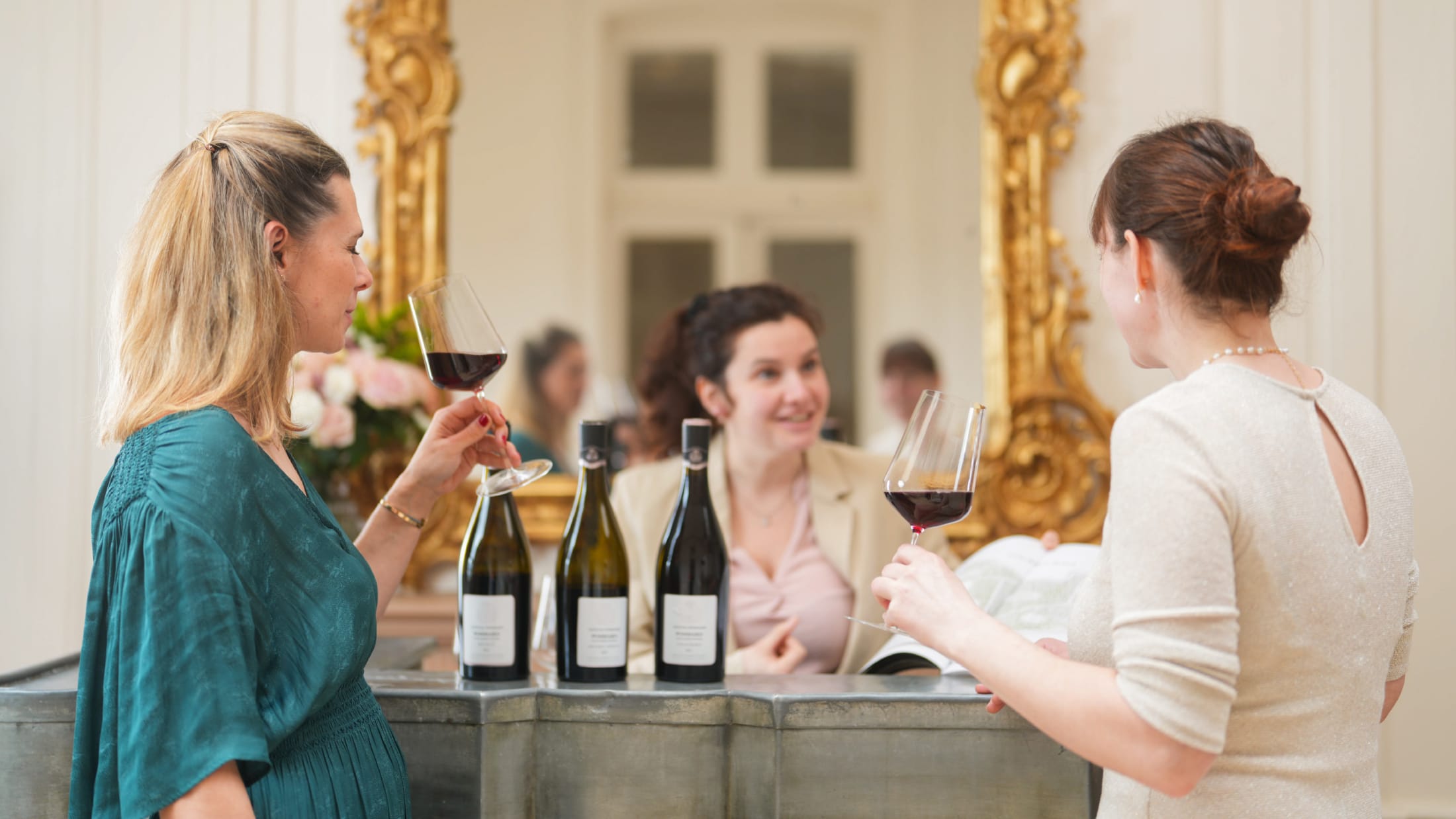
One of the great pleasures of wine is of course tasting it. Sometimes you will not have to wait long if it’s a wine made to be drunk young, like many Sauvignon Blancs, Gamays and Pinot Grigios, whereas with many of the top-tier wines you’ll have to be extremely patient for the wine to reach its perfect condition.
But there’s a lot of noise surrounding the art of tasting, and that can alienate the non-initiated. Notions of swankily-dressed, social-elite types throwing around terms like “jammy nose”, “Tense” and our favorite annoying wine descriptor: “crunchy” can place wine tasting under a negative spotlight. But it doesn’t have to be like that (although it can in reality be exactly like that sometimes!). All you need to do is like wine and be able to concentrate on what you are seeing, smelling and tasting, and be confident enough to articulate what you detect. So let’s get into it.
Wine tasting, in essence, is a sensory evaluation practice that provides an understanding of a wine’s quality, style, and maturity. It’s in many way a blend of art and science, involving aspects such as color, smell, taste, and feel (that right, you can use your sense of touch with wine tasting to determine what’s called the ‘mouthfeel’). We’re going to delve into the approaches to wine tasting, insights into tasting Chardonnay and Pinot Noir, the role of tannins, and the influence of natural and human factors on wine’s taste. We’ll also explore some unusual tastes in wine, common wine faults, and conclude with expert tips to enhance your wine tasting experiences.
There are various approaches to wine tasting, with the most common being technical, hedonistic, and reflective tasting. Technical tasting focuses on evaluating the wine’s quality objectively, assessing elements like balance, intensity, complexity, and finish. Hedonistic tasting is about personal pleasure, enjoying the wine’s aesthetics and sensory pleasure without analyzing the details. The reflective approach involves understanding the story behind the wine, its origin, the winemaker’s philosophy, and connecting these aspects with one’s personal experience. Perhaps the most useful for learning is the technical approach where the standard bearer is the WSET (Wine and Sprits Education Trust) who champion their own Systematic Approach to Tasting (SAT).
Tasting Chardonnay and Pinot Noir
Chardonnay and Pinot Noir are two of the world’s most popular grape varieties, each with distinctive characteristics.
Chardonnay is known for its versatility, reflecting the region’s terroir and winemaking techniques. In cool climates like Chablis, Chardonnay typically expresses mineral, green apple, and citrus notes. In warmer regions like California, the wine has richer flavors of tropical fruits, vanilla, and butter, especially when aged in oak.
Pinot Noir, on the other hand, is delicate and sensitive to the environment. In its homeland of Burgundy, it exudes flavors of red fruits like cherries, strawberries, and earthy undertones. In warmer climates, it can express darker fruit notes like plum and black cherry, and spice notes like clove or cinnamon.
Tannins are naturally occurring compounds that contribute to the wine’s structure, color, and aging potential. They’re often described as astringent or bitter and can be tasted on the middle of the tongue and the front part of the mouth.
In terms of chemical composition, methoxypyrazines (a great word for you to drop into your wine tasting evening) are responsible for green, vegetal flavors in underripe grapes. As the grape matures, these compounds decrease, and the fruity flavors become more pronounced.
In the bottle, over time, these tannin molecules start to combine or “polymerize” with each other. This process of polymerization results in the formation of longer, more complex chains of molecules. As these chains grow in size, they become too large to stay dissolved in the wine and eventually fall out of solution, forming sediment at the bottom of the bottle.
This process of polymerization and sedimentation is part of the reason why wines change in texture and mouthfeel as they age. As the tannins polymerize and precipitate out of the wine, the wine generally becomes less astringent and more smooth and balanced.
This is also why older wines are often decanted before serving – to separate the clear wine from the precipitated tannin sediment. It’s important to note that not all wines benefit from this aging and polymerization process. Some wines are meant to be consumed young when their tannin structure is still intact and contributes to the wine’s intended flavor and texture profile.
It’s also noteworthy that tannin polymerization can occur during the winemaking process itself. Certain winemaking techniques can promote tannin polymerization, leading to smoother, less astringent wines right from the start. These techniques include controlled oxygen exposure and the use of certain fining agents that can bind with tannins and promote their precipitation.
Terroir, a French term referring to the natural environment where the wine is produced, including factors such as climate, topography, and soil, plays a crucial role in shaping the wine’s taste.
Climate affects the ripening process. Cool climates tend to produce wines with higher acidity and less sugar, resulting in lower alcohol content, while warmer climates yield riper, sweeter grapes, leading to higher alcohol wines.
Topography, including the vineyard’s altitude, slope, and orientation towards the sun, can affect sunlight and temperature levels, influencing the grapes’ ripeness and flavors.
Soil type can influence the water supply and nutrients available to the vine, indirectly affecting the wine’s taste. For example, limestone soils often lead to high acidity wines, while volcanic soils can impart a unique minerality. (Some wine experts reject the notion that you can actually taste minerals in a wine, but many other find it a good descriptor for white wines, particularly Riesling.)
Human intervention, both in the vineyard and winery, significantly impacts the wine’s final taste. Viticultural practices like pruning, trellising, and harvesting decisions can influence the grape’s quality.
In the winery, the winemaker’s choices regarding fermentation, aging, and blending can drastically alter the wine’s character. For instance, fermentation techniques like using natural yeasts or controlled yeasts can influence the wine’s flavor profile. Similarly, the choice of aging the wine in stainless steel, concrete, or different types of oak barrels will impart varying flavors and textures to the wine.
Riesling from the Mosel region in Germany is known for its high acidity, low alcohol, and flavors of green apple, citrus, and distinct minerality (sometimes referred to as ‘wet rocks’ or ‘slate’). At the same time, a Napa Valley Cabernet Sauvignon from California is famous for its full body, high tannins, and dark fruit flavors like blackcurrant, along with notes of vanilla from oak integration during the aging processs.
Some wines may develop unusual flavors as a result of specific grape varieties, winemaking techniques, or aging processes. For instance, certain Italian wines like Amarone can have a distinct bitter note known as “amaro.” The Hunter Valley Semillon in Australia can very often develop toasty, honey and beeswax flavors with age.
Wine faults are characteristics that detract from wine’s quality. Common faults include cork taint (TCA), which gives a musty, wet cardboard smell, oxidation causing a wine to lose its freshness and take on a brownish color, and volatile acidity (VA), where high levels of acetic acid produce a vinegary smell.
It’s important to be able to detect these faults when tasting wine. So let’s dig down a little bit further.
Here are some common wine faults:
Cork Taint (TCA): Perhaps one of the most infamous wine faults, cork taint is primarily caused by a compound called 2,4,6-trichloroanisole (TCA). TCA is a fungal metabolite that can form in cork and other winery materials in the presence of chlorine compounds. Wines affected by cork taint exhibit a musty, mouldy, wet cardboard-like aroma and a muted flavor profile. While not harmful to health, it significantly detracts from the wine’s enjoyment.
Oxidation: Oxidation is a common fault that occurs when wine is exposed to too much oxygen, either during winemaking or due to poor storage conditions (for example, a faulty cork). Oxidized wines often lose their vibrant color, becoming brownish, and their fresh fruit flavors can turn into stale, flat notes reminiscent of bruised apples, nuts, or sherry. It should be noted here that some wine styles call for deliberate oxidation, and such styles are growing in popularity.
Volatile Acidity (VA): While some degree of volatile acidity (mainly acetic acid and ethyl acetate) is present and acceptable in all wines, high levels can be a fault. At excessive levels, it imparts a sharp, vinegary aroma. A certain degree of VA can add complexity to a wine, but too much can make a wine smell and taste unpalatable. Lots of wine drinkers enjoy acidity, but vinegar, I’m sure you’ll agree, is a step too far.
Reduction: This fault occurs due to the lack of oxygen and the presence of certain sulphur compounds in the wine. Reduced wines can give off aromas of rotten eggs, garlic, onion, or even burnt rubber. Unlike oxidation, which is irreversible, some reductive notes can be resolved by decanting and aerating the wine.
Brettanomyces (Brett): Brett is a type of yeast that can infect wines and produce distinctive aromas, often described as barnyard, horse sweat, or Band-Aid. While some winemakers and wine drinkers tolerate low levels of Brett as it can add complexity, high levels are generally considered a fault.
Heat Damage (Maderization): Wines exposed to high temperatures, or significant temperature fluctuations, can suffer heat damage, often referred to as maderization due to the similarity in taste and smell to Madeira wine. Symptoms of heat damage include a loss of fresh fruit flavors and the development of cooked or stewed fruit flavors. The wine can also take on a brownish hue. I made a schoolboy error once when on the hunt for a good white wine to take to a summer picnic. I took a white burgundy from a window display in August, and should not have been surprised when I opened it to find a wine that had been totally cooked. Ghastly!
Understanding these wine faults helps us recognize when a wine is flawed, and it provides insights into potential issues in the winemaking process or storage conditions. While some faults, like TCA or maderization, are irreversible, others, like reduction, can sometimes be remedied.
To fully appreciate the nuances of Burgundy’s finest wines, it is essential to understand the typical flavor profiles of the region’s two main grape varieties: Pinot Noir and Chardonnay.
When tasting Pinot Noir, pay attention to the wine’s appearance, aroma, and taste. Pinot Noir wines typically have a lighter color, ranging from pale ruby to medium garnet. Swirl the wine in your glass to release its aromas, and take a moment to inhale deeply.
The aroma profile of Pinot Noir can vary significantly based on factors such as terroir, vintage, and winemaking techniques. However, some common aromas include:
Red fruits: cherry, raspberry, and strawberry
Floral notes: rose, violet, and sometimes lavender
Earthy tones: mushroom, truffle, and forest floor
Spices: clove, cinnamon, and allspice
When tasting Pinot Noir, observe its body, acidity, and tannin structure. Pinot Noir wines tend to be light to medium-bodied, with bright acidity and soft tannins. The flavors often mirror the aromas, showcasing red fruit, floral, earthy, and spicy notes.
As a specific example, let’s look at our Clos Marey Monge Monopole 2020.
A complex, generous and aromatic wine with delicate aromas of black fruit and dried flowers, highlighted by sweet spices. The palate is fresh, round and generous, while the tannins are silky with a light sweetness. The very full and complex finish gives this wine power and grace. A great Pommard for aging, but one which can also be appreciated today.
Thirsty now? Get it here.
Chardonnay offers a wide range of flavors and styles, depending on factors such as terroir, oak influence, and winemaking techniques. To appreciate the nuances of Chardonnay, start by observing its color, which can range from pale lemon to deep gold.
Swirl the wine in your glass to release its aromas, and take a moment to inhale deeply. Chardonnay aromas can vary greatly but may include:
Citrus fruits: lemon, lime, and grapefruit
Orchard fruits: apple, pear, and quince
Tropical fruits: pineapple, mango, and guava
Floral notes: honeysuckle, jasmine, and orange blossom
Oak influence: vanilla, butter, and toast
When tasting Chardonnay, pay attention to its body, acidity, and flavor profile. Chardonnay wines can range from light and crisp to full-bodied and rich, with varying levels of acidity. The flavors often reflect the aromas, with fruit, floral, and oak notes prominent.
Let’s take an example from our special offers selection. A Famille Carabello-Baum Chardonnay 2021.
Pale yellow in color, with a perfumed bouquet featuring floral aromas of linden and Acacia. The palate is fresh and generous, with delicious notes of citrus fruits. The finish is round and persistent, with hints of candied apricot.
When exploring the wines of Burgundy, keep these general tips in mind to enhance your tasting experience:
Use appropriate glassware:
Choose wine glasses with a large bowl and a narrow opening to concentrate the aromas of Pinot Noir and Chardonnay.
Serve at the right temperature:
Pinot Noir is best enjoyed at around 60-65°F (16-18°C), while Chardonnay is typically served slightly cooler, at around 50-55°F (10-13°C).
Pair with food:
Both Pinot Noir and Chardonnay can be excellent companions to a wide range of dishes. Try Pinot Noir with roasted poultry, mushroom risotto, or grilled salmon, and pair Chardonnay with shellfish and creamy pasta dishes.
Decant when necessary:
Some older or more complex Pinot Noirs may benefit from decanting, which allows the wine to breathe and release its full array of aromas and flavors. However, be cautious with delicate or older wines, as they may lose their nuances if exposed to air for too long.
Take your time:
To fully appreciate the complexities of Burgundy wines, give yourself time to savor the aromas and flavors. Swirl the wine in your glass, inhale deeply, and take small sips to allow the wine to linger on your palate.
Keep an open mind:
Burgundy wines can vary dramatically in style and character based on factors such as terroir, vintage, and winemaking techniques. Be open to exploring different producers, subregions, and vintages to discover the full range of Burgundy’s offerings.
Take notes:
Documenting your impressions of each wine you taste can be an invaluable tool for developing your palate and understanding of Burgundy wines. Jot down notes on the wine’s appearance, aroma, and flavor profile, as well as any other observations that stand out to you. Over time, you’ll start to recognize patterns and develop a deeper appreciation for the nuances of Burgundy’s wines.
Share the experience:
Wine tasting is often more enjoyable and enlightening when shared with friends or fellow wine enthusiasts. Organize a tasting party or attend a local wine event to exchange thoughts and impressions with others, broadening your understanding and appreciation of Burgundy wines.
Keep learning:
The world of Burgundy wines is vast and complex, with a rich history and evolving trends. Stay curious and open to learning more about the region, its terroir, and the winemaking process. Read books, attend seminars, or participate in online forums to deepen your knowledge and enhance your tasting experiences.
At Château de Pommard we have a range of tasting experiences that will help you on your way to becoming a more discerning and knowledgeable Burgundy wine enthusiast.
Want to make it more official? Take a WSET qualification at Ecole V, our very own wine education centre amongst the vines!