The Story of Pinot Noir
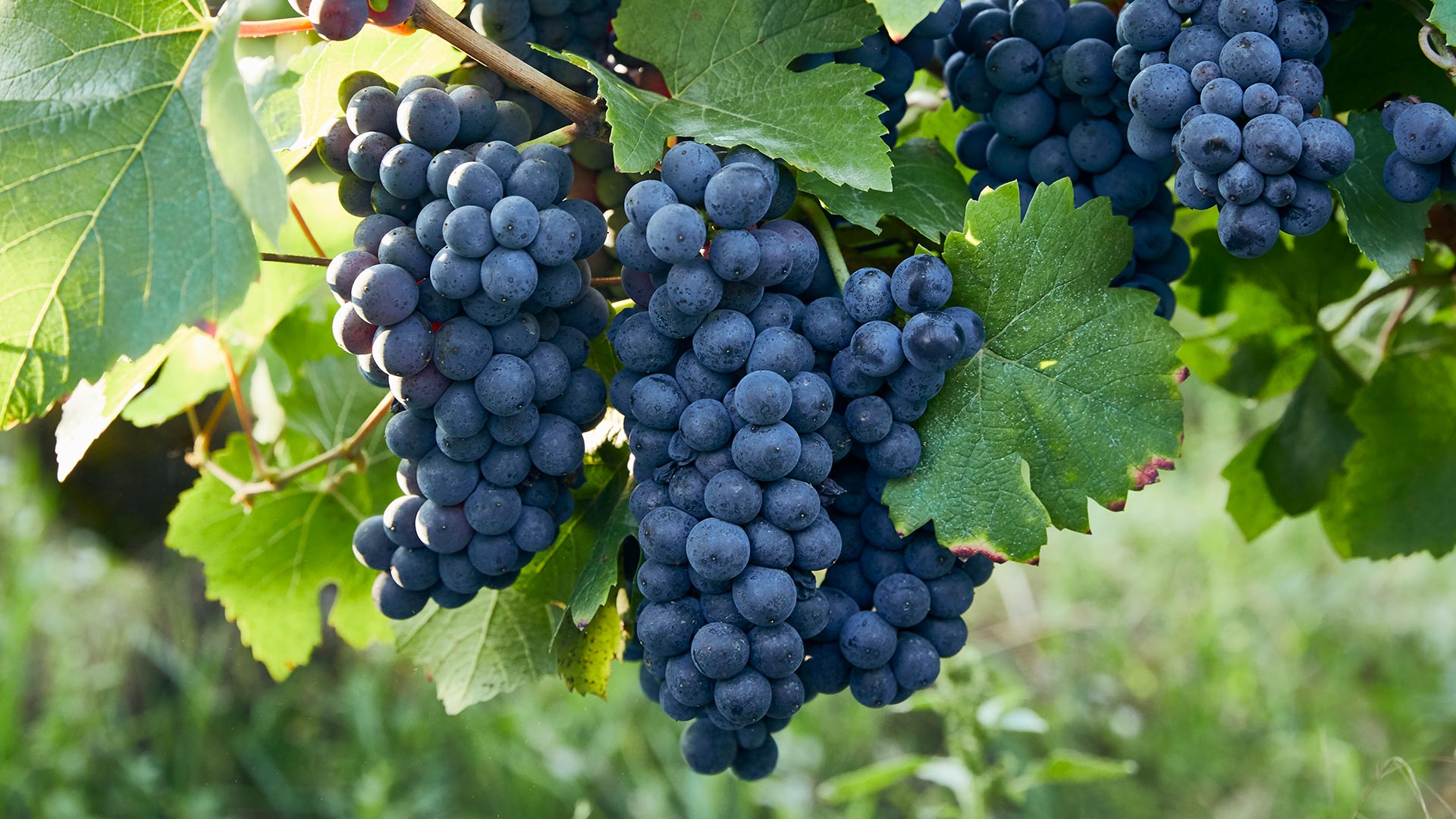
Pinot Noir. From jammy to transcendental, the most regal of grape varietals is compelling and storied. Originally hailing from the Burgundy region of France, its history spans over two millennia, shaping and being shaped by the cultural, economic, and environmental forces of its time.
Etymology
Firstly, the very name “Pinot Noir” derives from the French words “pine” and “black,” describing the grape’s tight, pine cone-like clusters and dark color. Ampelographic studies suggest that Pinot Noir is a very old variety, with origins dating back to the first century AD. It’s believed that the Romans brought the grape with them as they expanded their empire, but the wild ancestors of Pinot Noir probably existed long before.
Bring on the monks
By the medieval period, Burgundy had already established itself as a center for viticulture. The Cistercian and Cluniac monks, who held vast swaths of vineyards, noticed the distinct quality difference in wine produced from different plots. They diligently classified these vineyards and laid the groundwork for the concept of “terroir,” a term still fundamental to understanding wine today. The monks revered Pinot Noir, valuing its ability to express the subtle nuances of each vineyard site.
This classification system eventually evolved into Burgundy’s famous “cru” hierarchy, which denotes the quality and potential of its wines based on geology, microclimate, and historical reputation. At the pinnacle are the “Grands Crus” sites, such as the renowned Romanée-Conti, known for producing some of the world’s most sought-after and expensive Pinot Noir wines.
Out of the Dark Ages
Moving into the Renaissance era, Burgundy wine, particularly Pinot Noir, became a favorite among royals and aristocrats. Louis XIV, the Sun King, was said to have been prescribed Burgundy wine by his physician for its health benefits. During this period, Burgundy wine was often more highly valued than Bordeaux, a testament to the enduring prestige of Pinot Noir.
Château de Pommard, founded in the early 18th Century, is an inspirational example of how the character of wines from adjoining plots can differ significantly.
From the generous and robust Grands Esprits to the silky Nicolas-Joseph, these sainted plots are a geological smorgasbord, and ripe for discovery. Book your tasting here.
The 19th century brought both innovation and calamity. On one hand, the winemakers of Burgundy continued to refine their viticultural and winemaking practices, further distinguishing their unique style of Pinot Noir – perfumed, light to medium-bodied, yet intensely complex. On the other hand, the phylloxera crisis devastated vineyards across France, forever altering the landscape of viticulture.
Burgundy’s Pinot Noir vines were not spared, leading to massive replanting efforts in the late 19th and early 20th centuries. This was a critical juncture in the history of Pinot Noir as it led to the cultivation of various Pinot Noir clones, a subject of great interest in modern ampelography. Each clone has specific attributes, including resistance to certain diseases, yield levels, and distinct aromatic and flavor profiles. Notable clones from Burgundy include Dijon clones such as 115, 667, and 777, all widely planted around the world today.
The worst thing to happen to wine, ever
The Phylloxera crisis was a turning point for all of European viticulture, including Burgundy. Phylloxera vastatrix, a tiny aphid-like pest native to North America, first appeared in Europe in the mid-19th century and is believed to have traveled across the Atlantic on imported American vines.
In the vineyards, the phylloxera insects fed on the roots of the grapevines, slowly causing the plants to wither and eventually die. Because European grapevines, including Pinot Noir, had no natural resistance to these pests, phylloxera spread rapidly. By the 1870s, the disease had hit Burgundy, devastating vineyards and causing catastrophic yield loss. This marked the beginning of a devastating period for Burgundy wine, as vineyards were abandoned, and some areas even faced economic collapse.
The solution to the phylloxera problem emerged in the form of grafting onto resistant rootstock. American grapevine species, which had evolved alongside phylloxera, were largely immune to its effects. By grafting the European Vitis vinifera vines, such as Pinot Noir, onto American rootstocks, the vineyards could be saved.
Not a quick fix
However, this was no small undertaking. It involved replanting the entire vineyard, a process that was both labor-intensive and costly. There was also concern about whether the grafted vines would produce wine of the same quality. The terroir of Burgundy, so crucial to the distinctive character of its Pinot Noir wines, was tied to the interaction between the grapevine and the soil. There were fears that introducing foreign rootstock could disrupt this delicate balance.
Nevertheless, the transition to grafted vines was made out of necessity, and the recovery process was slow. It wasn’t until the beginning of the 20th century that wine production in Burgundy began to rebound.
Out of the ashes
Interestingly, this upheaval led to a reevaluation and restructuring of vineyard ownership in Burgundy. Economic hardships meant that many vineyards changed hands during this time, and the Napoleonic inheritance laws led to the fragmentation of vineyard ownership, a characteristic of the Burgundy region today. These small parcels of land, often farmed by individual families or growers, further underscore the importance of terroir in Burgundy, as each plot can express its unique qualities.
Additionally, the phylloxera crisis indirectly led to the exploration and use of different Pinot Noir clones. As vineyards were replanted, growers selected vines that showed the best characteristics for their specific site, and these selected vines were then propagated. This process allowed for a greater understanding of the diversity within the Pinot Noir variety and paved the way for more scientific clonal selection in the 20th century.
Post-phylloxera
The 20th century brought a global recognition of Burgundy Pinot Noir. After two world wars, the Burgundy region began to recover, and with it, the quality and reputation of its Pinot Noir soared. Top vintages fetched incredible prices at auction, and global demand for Burgundy wine outpaced supply, a trend that continues to the present day.
Beyond Burgundy
Furthermore, the global diaspora of Pinot Noir began in earnest during this period. It spread to New World wine regions like California, Oregon, New Zealand, and Australia. Despite the diverse growing conditions in these regions, the Burgundian style was often held as the pinnacle to which these new regions aspired. However, each region began developing its unique expression of Pinot Noir, offering diversity to the global wine market.
California Pinot Noir, for example, often presents more upfront fruit flavors, ripeness, and body due to the state’s warmer climate, while Oregon’s cool-climate Pinot Noir exhibits subtler fruit with pronounced earthy and mineral qualities, reminiscent of Burgundian style. Pinot Noir from New Zealand’s Central Otago has gained recognition for its intense fruit concentration and structural elegance, while Australia’s Mornington Peninsula offers a savory, structured style.
Still leading the others
Amid the 21st-century landscape, Pinot Noir is still at the forefront of premium winemaking. The market for Burgundy wines has been particularly affected by trends in investment and collecting. In 2018, a single bottle of 1945 Romanée-Conti set the record for the most expensive bottle of wine ever sold at auction, fetching an astronomical $558,000.
Ancestry
The ongoing scientific study of Pinot Noir has also yielded intriguing findings. Genomic analysis has confirmed Pinot Noir as one of the oldest grape varieties, essentially a great-grandparent to many other varieties through natural crossings. For instance, it’s believed to have crossed with Gouais Blanc, a grape brought to France by the Romans, to parent varieties like Chardonnay and Gamay.
Additionally, studies of Pinot Noir clones have unveiled significant genetic instability, leading to a proliferation of distinct clonal variations. This genomic fluidity has perhaps contributed to Pinot Noir’s unique ability to mutate and adapt, engendering an array of styles and expressions depending on the specifics of where it is grown.
Climate Change
Furthermore, climate change has become a major concern for all wine regions, with Burgundy being no exception. As temperatures continue to rise, the challenge for Pinot Noir producers is to maintain the grape’s quintessential elegance and complexity. In response, viticultural practices are continually adapting. Some winemakers choose cooler sites, adjust canopy management for optimal sun exposure, or experiment with different clones to preserve the qualities that define Pinot Noir.
Reflecting on Pinot Noir’s journey, its enduring appeal lies in its paradoxical nature. It is at once delicate yet intense, elusive yet profound. Its diverse expressions, from the ethereal wines of Burgundy’s Grand Crus to the exuberant examples of California, continue to captivate wine drinkers and collectors alike. Pinot Noir’s rich history is woven into every bottle, telling a story of its ancestral land, the vicissitudes of history, and the people who lived alongside it.
Come and see us at the château, there’s a glass waiting.